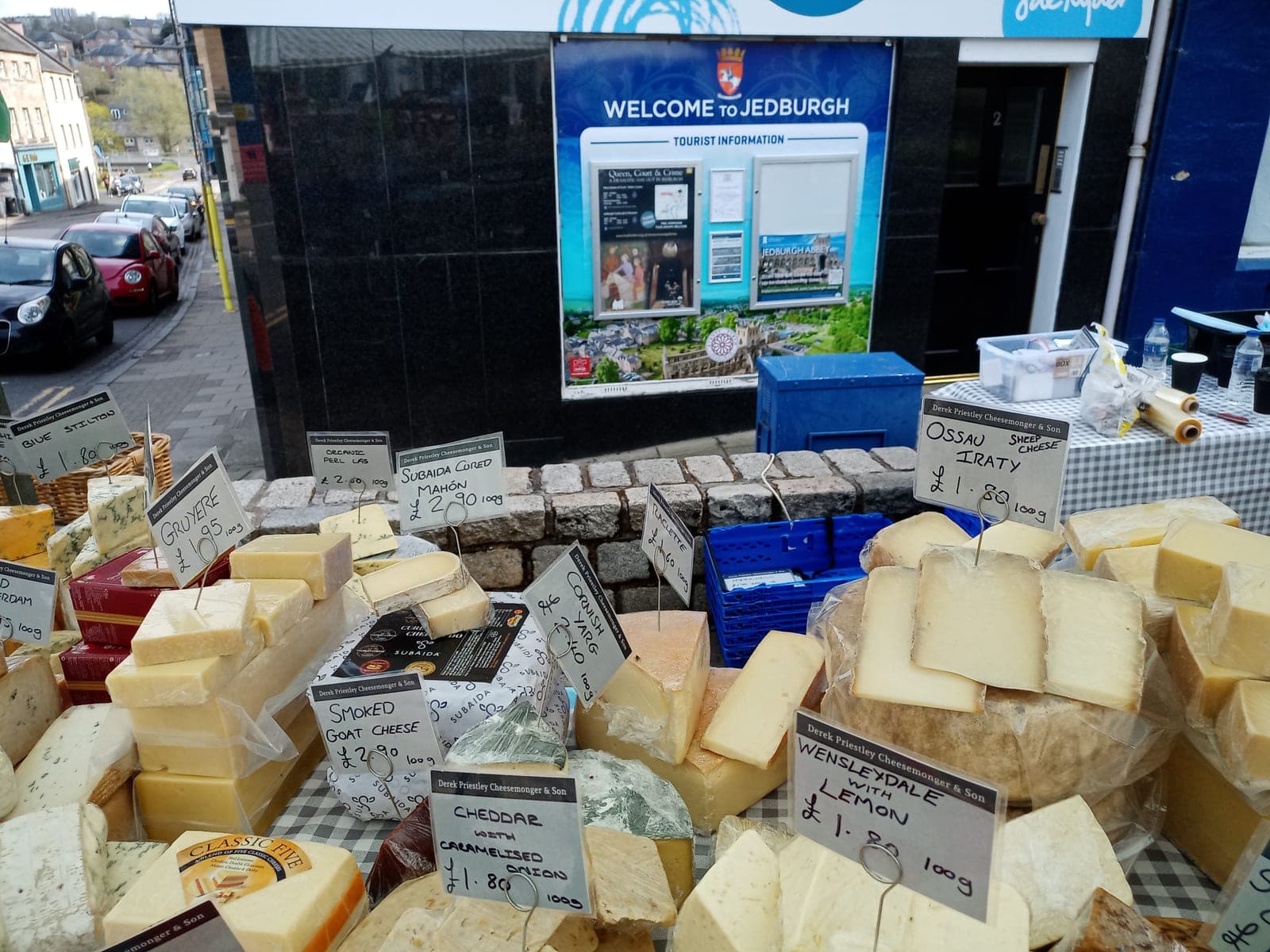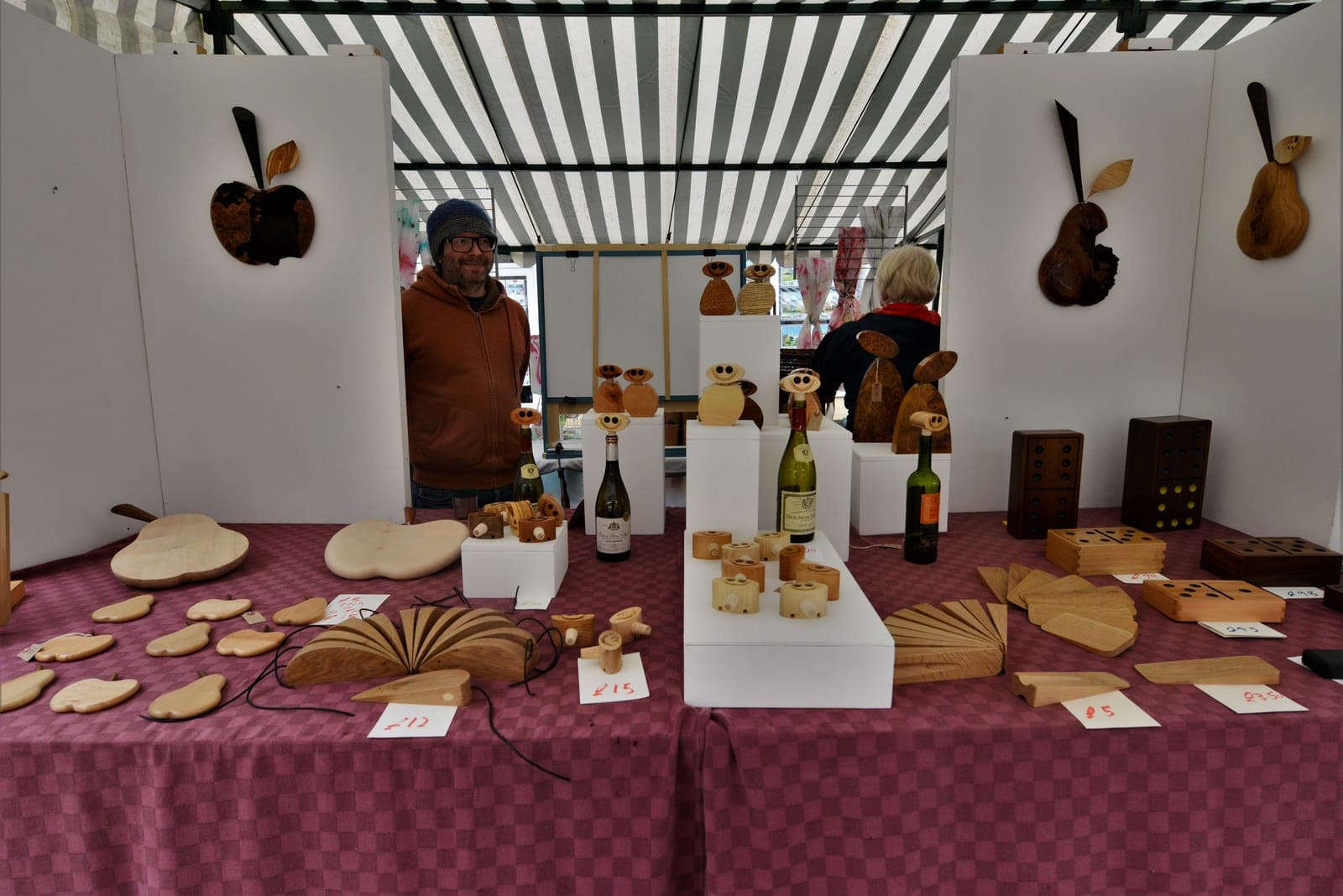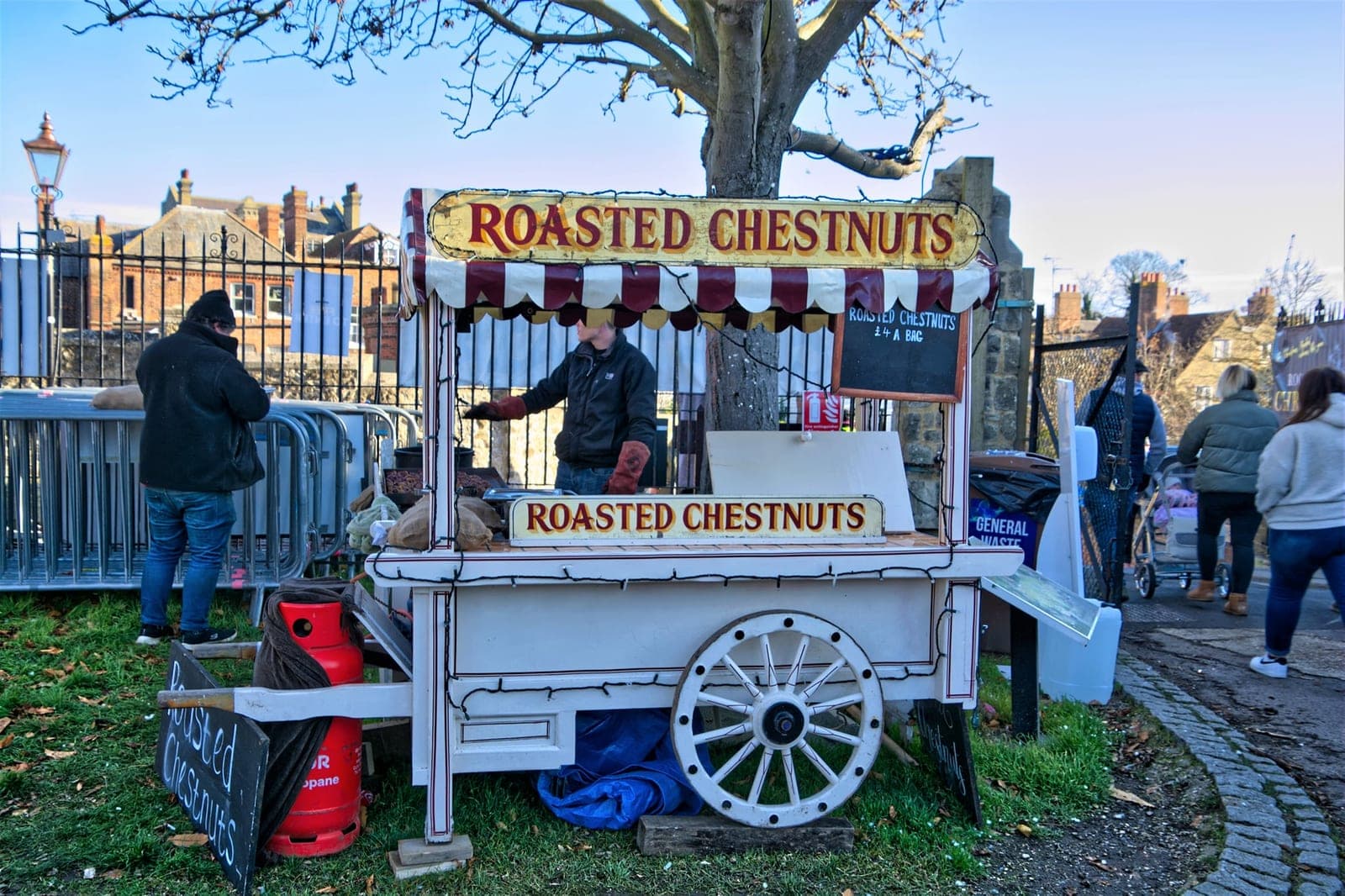
If you are filling 20 to 40 tables in a village hall this autumn, the useful change is that you no longer have to already know the traders. A publicly listed fair can be found, and applied to, by a maker in the next county who has never met you.
How do craft fair organisers usually find stallholders?
Mostly by hand. The standard organiser guide on UKCraftFairs tells you to find exhibitors yourself: search a directory for local makers, invite them, aim for a range of mediums, and when someone approaches, "ask for a description of what they do and to see several pictures of their work". It warns that "unhappy exhibitors might not book tables again in the future". Fill the hall but not the car park and you lose next year's traders.
The rest of the toolkit is word of mouth, local press, leaflets and posters in shops. It is slow, and it returns the same names.
Where can an organiser list a fair for stallholders to find?
Directories publish your event so traders can find you. Application platforms take and process applications. Stall and Craft Collective, live since June 2014, is the clearest directory: organisers advertise all their events free, and it points them at a stallholder directory it says lists thousands of traders. Traders pay from £15 a year, no commission. Stallfinder, launched in March 2008, also lists events free. UKCraftFairs charges everyone £5 monthly or £30 annually, with no listing fees or percentages. The National Market Traders Federation is a trade association, not a booking system, founded 1899: £150 a year for single membership, with liability cover underwritten by Aviva to £10m.
For applications, LocalStalls publishes your form, collects submissions with compliance documents attached, then approves, declines or waitlists and sends the outcome emails. UK plans are priced in New Zealand dollars, from NZ$39 a month for up to 60 stalls a month, with a 30 day trial and no contract. PitchList UK aggregates pitch opportunities from public sources and is free to search, holding 239 rows on 1 August 2026; £4.99 a month after a seven day trial unlocks the source link and application route on each row. It is a trader-side tool rather than somewhere an organiser can list. Spaces Please, which owns this magazine, also handles applications and payments: free to list, no subscription, 5% when a stallholder books a space.
What does a public listing actually get you?
Reach past your contacts, applications in one place, and a page a trader can find in a search. Figures from the National Market Traders Federation, shared with the Guardian in July 2026, show one in five young market traders now holds a master's degree, PhD or medical doctorate. Joe Harrison, the federation's chief executive, told the paper:
These aren't side hustles: these are young, highly educated people looking to build full-time careers in the markets; people who wouldn't previously have even thought of becoming a market trader.
A listing will not fill a badly timed or badly located fair, and it will not vet anyone. Price is a lever you control. Murray Stewart, vice chair of the Hovingham Village Market in Yorkshire, told the Yorkshire Post in July 2026 about a scheme charging traders aged 16 to 30 living within 30 miles £30 rent for their first three months, a saving of nearly 60 per cent on the usual pitch rate.
We know there are many young people out there with great business ideas. But it's hard to get a toehold; set-up costs can be high, and the red tape can feel daunting. Our new scheme aims to take the pressure off, by giving young entrepreneurs a low-cost, low-risk route in.
Pedddle reported on 8 July 2026 that fake market listings are circulating again, sometimes an AI generated poster using real market names, locations and organiser photos, pushed through Facebook groups. Its advice: take applications through a platform rather than email or Facebook messages, which leaves a paper trail.
What do stallholders check before they apply?
Pitch price and what it includes, table size, power, parking, and how you are marketing the day. Freelance illustrator Rosie Johnson, writing on her blog about selling at markets in 2022, puts the arithmetic first.
Costs. Look at how much the stall fees are but don't forget to factor in travel, parking charges, fees from your card machine provider and food and drink for the day (more on that later.) How much would you need to make to take home a profit?
Footfall is the figure traders most want and the one most organisers cannot supply: NABMA's National Markets Survey for 2021/22, covering 241 markets, found only 13% recorded it. If you can count your gate, publish the number. That survey put the typical outdoor pitch at £22.97 a day; UKCraftFairs puts small craft fair tables at £10 to £30, larger ones at £40 to £100. Our guides to booking a first market stall and public liability insurance cover the trader side.
For example, Shooting Star Events, a small organiser in north Suffolk, has seven events listed on Spaces Please for the rest of 2026, all open for applications: Unique Crafts at Uplands in Lowestoft on 12 September, the Premium Beccles Craft Fair on 20 September and the Christmas Craft Extravaganza on 29 November. No listing decides whether a programme fills. It does mean a maker in Norwich can find all seven dates without knowing the organiser's name.
So list it publicly before you ring round, and check our what's on pages and Christmas market application deadlines before you set the date. Live Laugh Local is published by Spaces Please Ltd, one of the platforms above.